
At the southern tip of Mexico’s Baja California Peninsula lies a place where the stark beauty of the desert meets the infinite blues of the sea. Baja California Sur is a land of contrasts rugged yet refined, remote yet welcoming, ancient yet vibrantly alive. Long celebrated for its beaches and marine life, the region has evolved into one of Mexico’s most compelling tourism destinations, offering far more than sun and sand. From luxury resorts and world-class adventures to historic missions, creative towns, and conservation-driven travel, Baja California Sur invites visitors into a deeply immersive experience shaped by nature, culture, and rhythm.
A Geography That Shapes the Experience
Baja California Sur occupies the southern half of the Baja Peninsula, bordered by the Pacific Ocean to the west and the Sea of Cortez to the east. This geography is central to its appeal. Few places in the world offer such dramatic transitions: arid desert landscapes dotted with giant cardón cacti suddenly give way to turquoise coves, coral reefs, and pristine beaches. Mountains rise unexpectedly from the sand, creating microclimates and ecosystems that support remarkable biodiversity.
The Sea of Cortez famously described by Jacques Cousteau as “the world’s aquarium” is one of the most biologically rich marine environments on Earth. Its warm, nutrient-rich waters are home to whales, dolphins, sea lions, whale sharks, rays, and hundreds of fish species. This abundance has made Baja California Sur a global center for marine tourism, conservation, and scientific study.

Los Cabos: Gateway and Global Destination
For many travelers, Los Cabos is the first encounter with Baja California Sur. Anchored by the twin towns of Cabo San Lucas and San José del Cabo, the area is connected by a scenic coastal corridor lined with luxury resorts, championship golf courses, and dramatic ocean views.
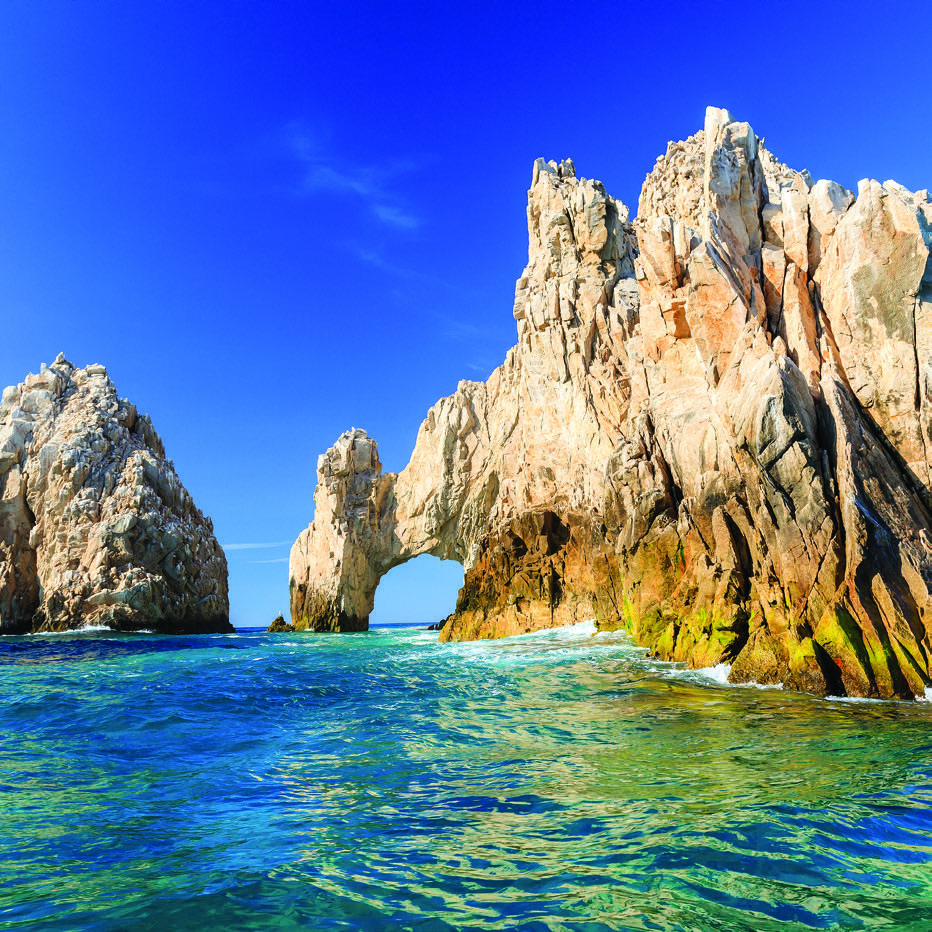
Cabo San Lucas is energetic and lively, known for its marina, nightlife, and iconic rock formation, El Arco, where the Pacific Ocean meets the Sea of Cortez. Boat tours, snorkeling excursions, sport fishing charters, and sunset cruises depart daily, making Cabo an activity hub.
San José del Cabo, by contrast, offers a quieter, more traditional atmosphere. Its historic center features colonial-era architecture, art galleries, and a vibrant cultural scene. Weekly art walks, local markets, and farm-to-table restaurants reflect a growing emphasis on sustainability and regional identity.
Together, the Los Cabos area balances high-end tourism with increasing efforts to preserve local culture and natural resources, attracting everyone from honeymooners and luxury travelers to families and adventure seekers.

La Paz: Capital of Calm and Connection
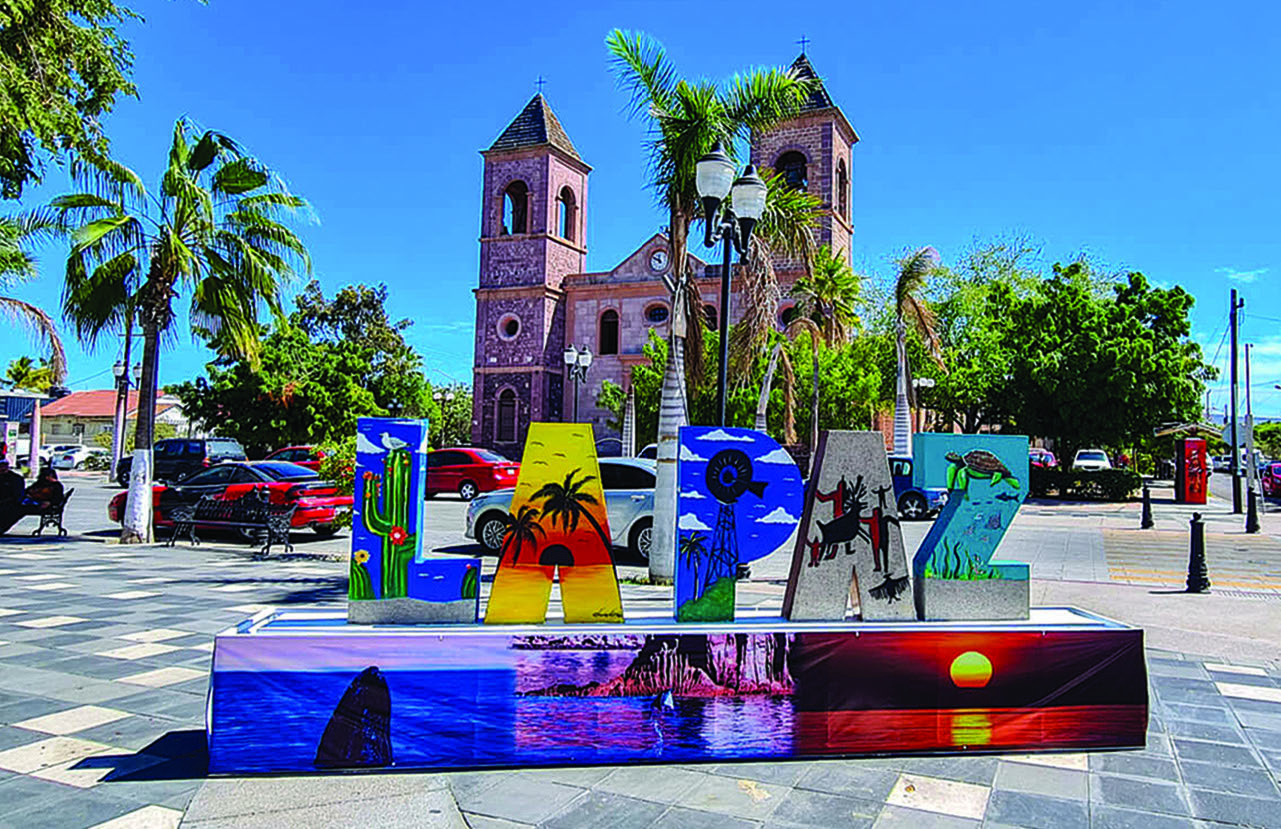
North of Los Cabos lies La Paz, the capital city of Baja California Sur and a favorite among travelers seeking a more authentic, relaxed experience. Set along a tranquil bay, La Paz is defined by its walkable malecón, friendly pace, and deep connection to the sea.
La Paz serves as a gateway to some of the region’s most extraordinary natural attractions, including Isla Espíritu Santo, a UNESCO-recognized biosphere reserve. Visitors can kayak alongside dramatic red cliffs, snorkel in crystal-clear waters, and observe playful sea lions in their natural habitat. Strict conservation rules ensure that tourism here remains low-impact and respectful of wildlife.
Nearby Playa Balandra often cited as one of Mexico’s most beautiful beaches features shallow, calm waters ideal for swimming and paddleboarding. Visitor numbers are carefully managed to protect the fragile ecosystem, reflecting the region’s growing commitment to sustainable tourism.
La Paz also has a strong cultural identity, with museums, seafood markets, and festivals that celebrate both marine conservation and local traditions.

Loreto and the Historic Heart of Baja
On the eastern coast of the peninsula, Loreto offers a window into Baja California Sur’s deep history. Founded in 1697, Loreto was the first Spanish settlement in the Californias and served as the original capital of the region. Its historic mission, cobblestone streets, and tranquil plazas evoke a sense of timelessness.
Loreto is surrounded by the Bahía de Loreto National Park, a protected marine area encompassing five major islands and extensive coastal waters. The park is a haven for eco-tourism, offering opportunities for whale watching, kayaking, hiking, snorkeling, and birdwatching. Unlike the bustling energy of Los Cabos, Loreto appeals to travelers seeking quiet immersion in nature and history.
The town’s slower pace and strong community spirit make it a favorite among retirees, long-stay visitors, and travelers interested in cultural depth rather than spectacle.
Todos Santos and the Rise of Creative Tourism
On the Pacific side of the peninsula, Todos Santos stands as one of Baja California Sur’s most distinctive destinations. Designated a Pueblo Mágico, the town has become a magnet for artists, writers, surfers, and travelers drawn to its creative energy.
Historic buildings now house galleries, boutique hotels, cafés, and artisan shops. The surrounding area offers dramatic Pacific beaches, world-class surf breaks, and lush palm oases fed by underground freshwater springs. Festivals celebrating art, film, music, and gastronomy have helped position Todos Santos as a center of cultural tourism.
Unlike resort-heavy destinations, Todos Santos thrives on small-scale, locally driven tourism that values authenticity, walkability, and community engagement.

Wildlife Tourism and the Call of the Sea
Few places in the world rival Baja California Sur for wildlife encounters. Each year, gray whales migrate thousands of miles from the Arctic to the warm lagoons of Baja to breed and calve. From January through March, visitors can observe these gentle giants up close in places like Magdalena Bay, often experiencing remarkable moments of interaction.
Beyond whales, the region offers opportunities to swim with whale sharks, snorkel among tropical fish, dive with mobula rays, and observe sea turtles nesting on protected beaches. These experiences are tightly regulated in many areas, reflecting a growing recognition that conservation is inseparable from tourism.
Responsible operators emphasize education, respect for wildlife, and community benefits, making nature-based tourism a cornerstone of the region’s long-term sustainability.
Adventure in a Rugged Landscape
While beaches and marine life draw many visitors, Baja California Sur also excels as an adventure destination. The Sierra de la Laguna mountains, a UNESCO biosphere reserve, offer hiking trails through pine forests, waterfalls, and endemic plant species—an unexpected contrast to the surrounding desert.
Off-road enthusiasts explore remote desert tracks by 4×4 or motorcycle, following routes once used by missionaries and ranchers. Cyclists tackle scenic highways with ocean views, while surfers chase waves along the Pacific coast. Fishing, both recreational and sport, remains deeply embedded in the region’s identity, drawing anglers from around the world.
These activities are shaped by the landscape itself, reinforcing a sense of exploration and self-reliance that defines the Baja experience.
Culinary Tourism: From Sea to Table
Baja California Sur’s culinary scene has undergone a quiet revolution. Rooted in seafood traditions, the region now blends local ingredients with innovative techniques and global influences. Fresh fish tacos, ceviche, and grilled octopus remain staples, but chefs are increasingly spotlighting organic produce, artisanal cheeses, and regional wines.
Farm-to-table dining has become a hallmark of the Los Cabos area, with restaurants sourcing ingredients from nearby farms and ranches. In smaller towns, local markets and roadside stands offer a direct connection to regional flavors and traditions.
Food in Baja California Sur is not just sustenance—it is a reflection of place, season, and community, making culinary tourism an essential part of the visitor experience.
Sustainability and the Future of Tourism
As tourism continues to grow, Baja California Sur faces the challenge of balancing economic opportunity with environmental stewardship. Water scarcity, coastal development, and ecosystem preservation are central concerns in a region defined by fragile landscapes.
In response, many communities, businesses, and organizations are prioritizing sustainable practices. These include renewable energy use, water conservation, waste reduction, and support for local economies. Protected areas, visitor limits, and environmental education programs aim to ensure that tourism enhances rather than diminishes the region’s natural and cultural assets.
Travelers are increasingly drawn to destinations that reflect their values, and Baja California Sur’s emphasis on responsible tourism positions it well for the future.
A Destination That Stays With You
What ultimately sets Baja California Sur apart is not just its scenery or activities, but the feeling it leaves behind. There is a sense of space here—physical, emotional, and spiritual. The vast skies, quiet beaches, and unhurried pace invite reflection and reconnection.
Whether experienced through the luxury of an oceanfront resort, the simplicity of a seaside village, or the thrill of a wildlife encounter, Baja California Sur offers something rare: a destination that feels both extraordinary and grounding.
For travelers seeking beauty with meaning, adventure with respect, and escape without excess, Baja California Sur is not merely a place to visit—it is a place to feel, remember, and return to.

This article is from the
EY February 2026 Issue