
Making a comeback in today’s home interiors
Homeowners and designers alike are redefining what it means for a home to feel truly modern. Rather than chasing fleeting trends or relying on stark minimalism, there is a growing preference for spaces that feel calm, expressive, and enduring.
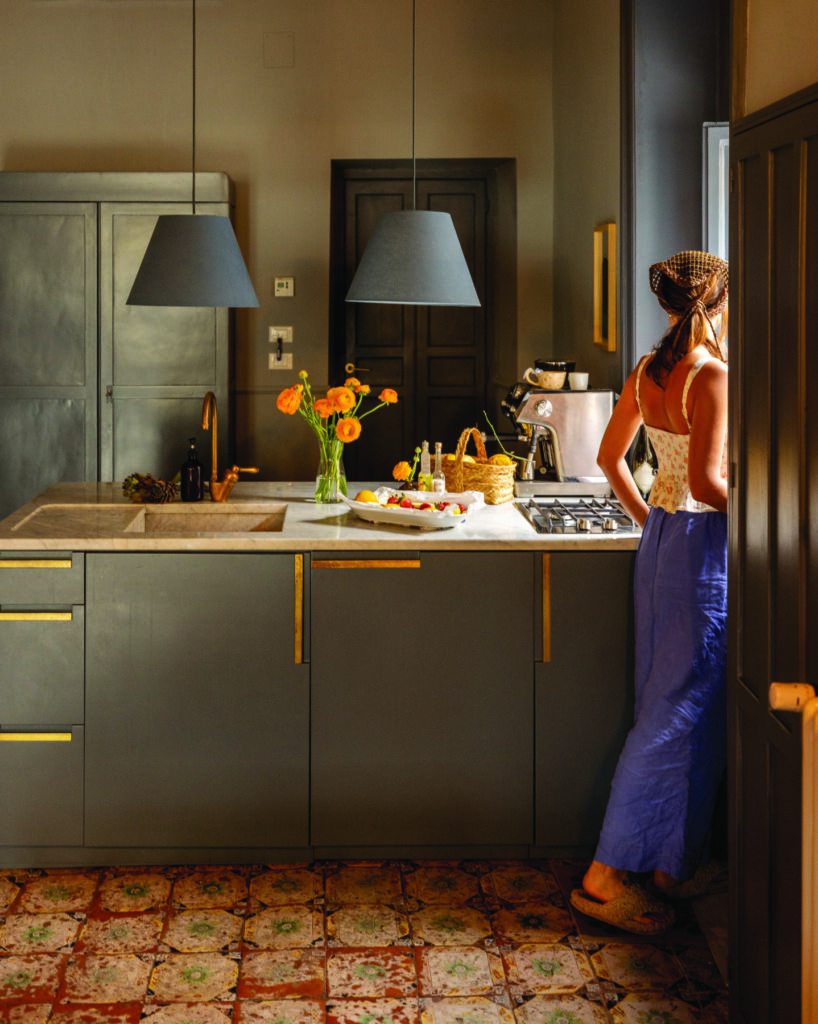
Today’s interiors are expected to strike a balance—rooms that appear thoughtfully curated yet comfortably lived-in. This shift has sparked a renewed appreciation for high-quality materials and meaningful investment pieces that bring both character and longevity to a space. At the heart of this evolution is a design philosophy that has never lost its relevance: Italian modernism. Celebrated for its expressive geometry, sculptural silhouettes and architectural presence, this enduring aesthetic is once again influencing interiors in fresh and compelling ways.
A return to expressive geometry
Italian modernism has long embraced geometry—not as something rigid or purely functional, but as a dynamic source of emotion, rhythm and movement. Today’s homeowners are rediscovering the power of these forms, drawn to their ability to introduce softness and flow while maintaining a strong architectural identity. Curves, arcs and circular motifs are being used to create spaces that feel both structured and inviting, where design elements subtly guide the eye and shape the overall atmosphere.
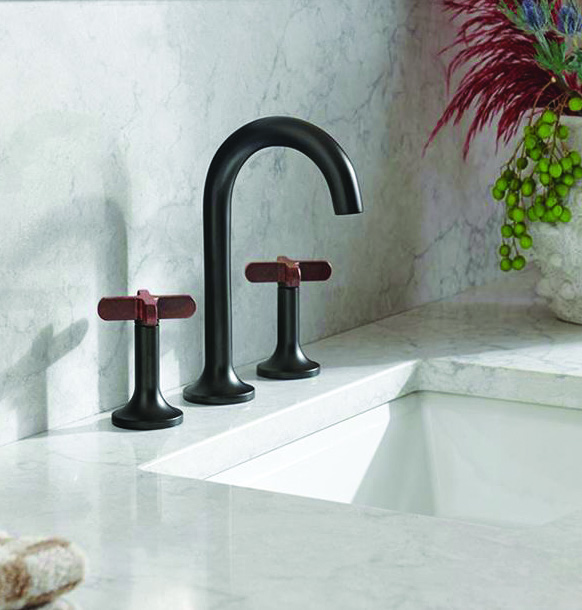
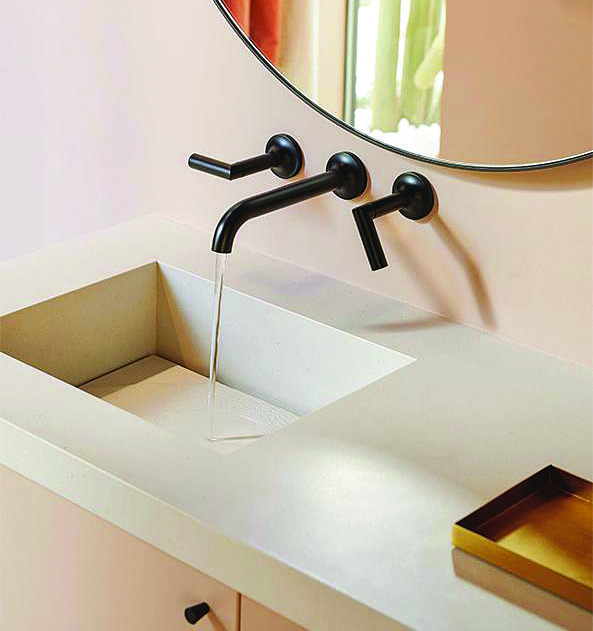
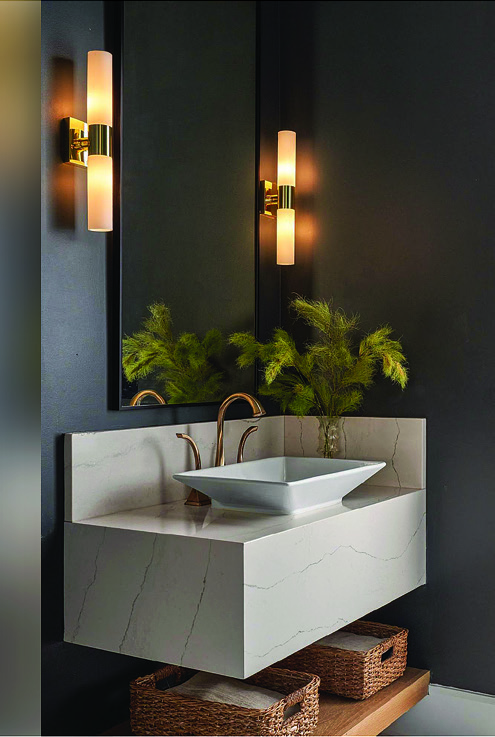
The Roccesco™ Bath Collection by Brizo® exemplifies this renewed interest in sculptural form. Inspired by rocchetto, the Italian word for spool, the collection translates this idea into a series of fluid, looping shapes and balanced proportions. Circular elements and sweeping arcs come together to create fixtures that feel simultaneously timeless and forward-thinking—pieces that function as both practical elements and artistic statements within the space.

Customizable craftsmanship
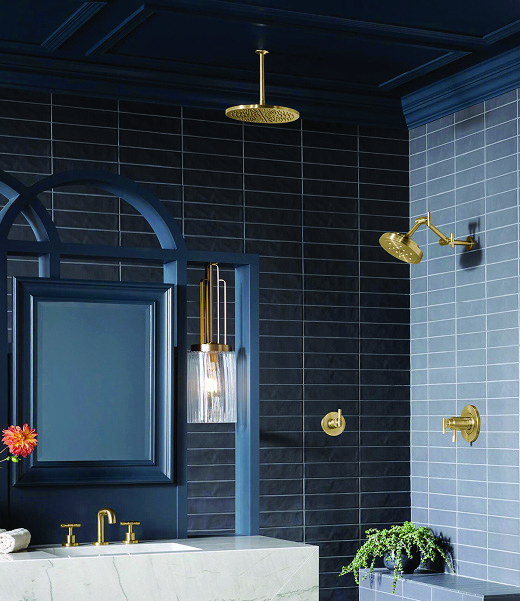
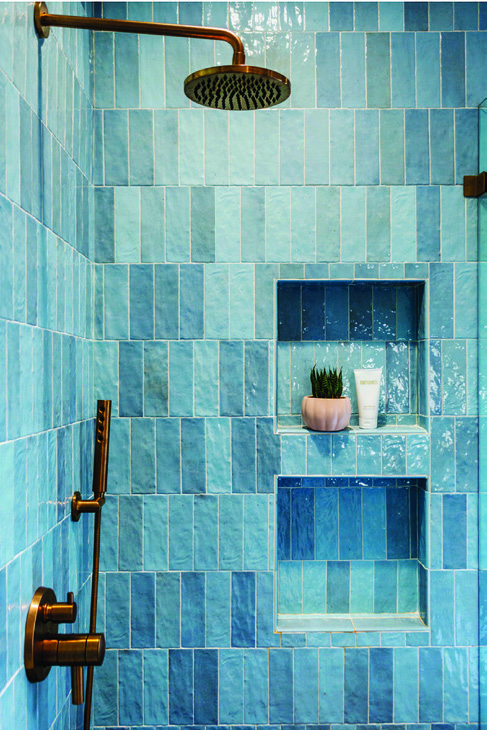
Alongside this embrace of form is a deeper appreciation for craftsmanship. Kitchens and baths are no longer viewed as purely utilitarian spaces; instead, they are becoming showcases for materials that tell a story. Natural elements such as stone, metal, glass and wood are increasingly favored not only for their durability, but for the richness and individuality they bring. Subtle variations in texture, tone and finish add depth, ensuring that no two spaces feel exactly alike.
This focus on materiality aligns closely with the principles of Italian modernism, which has always valued precision and the idea that even the most functional objects should possess an inherent beauty. Fixtures and finishes are no longer afterthoughts—they are carefully considered components that contribute to the overall design narrative. The result is a layered, tactile environment where craftsmanship is both visible and celebrated.
Functional beauty
Perhaps the most defining characteristic of Italian modernism is its seamless integration of beauty and function. Rather than treating these qualities as separate, the approach insists that each enhances the other. Today’s designers are embracing this philosophy by selecting fixtures that serve as both visual focal points and highly effective tools for everyday living.
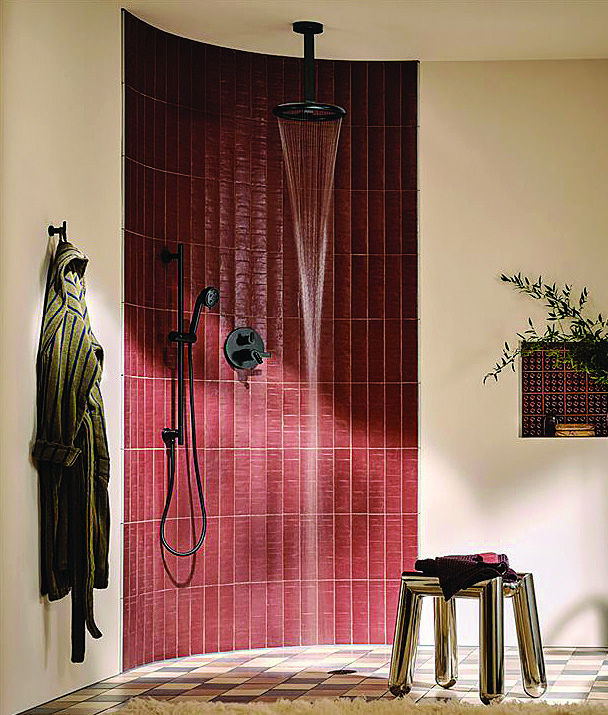
The Roccesco™ Halo shower head illustrates this balance with striking clarity. Its precisely angled nozzles create a funnel-like water flow, delivering an immersive, spa-like experience while maintaining an elegant, sculptural form. The interplay of positive and negative space within its circular design results in a minimalist silhouette that still feels bold and distinctive. Similarly, the Sconce shower head offers a complementary interpretation, blending linear and circular elements into a composition that feels more akin to a piece of modern art than a conventional fixture.

A lasting design perspective
As interiors continue to move away from short-lived trends, designers are increasingly turning to the enduring principles of Italian modernism. New collections and interpretations demonstrate how this design language can evolve, translating historic ideals into contemporary spaces that prioritize personality, intention and balance.
For homeowners seeking environments that feel personal, sculptural and serene, this approach offers a compelling path forward. Its emphasis on geometry, craftsmanship and emotional resonance creates spaces that are not only visually striking, but deeply livable. Far from fading, Italian modernism continues to prove its relevance—adapting gracefully to modern lifestyles while maintaining the timeless qualities that have defined it for decades.

This article is from the
EY June 2026 Issue