
Why millions of homeowners may discover their insurance falls short when disaster strikes—and what you can do to protect your investment.
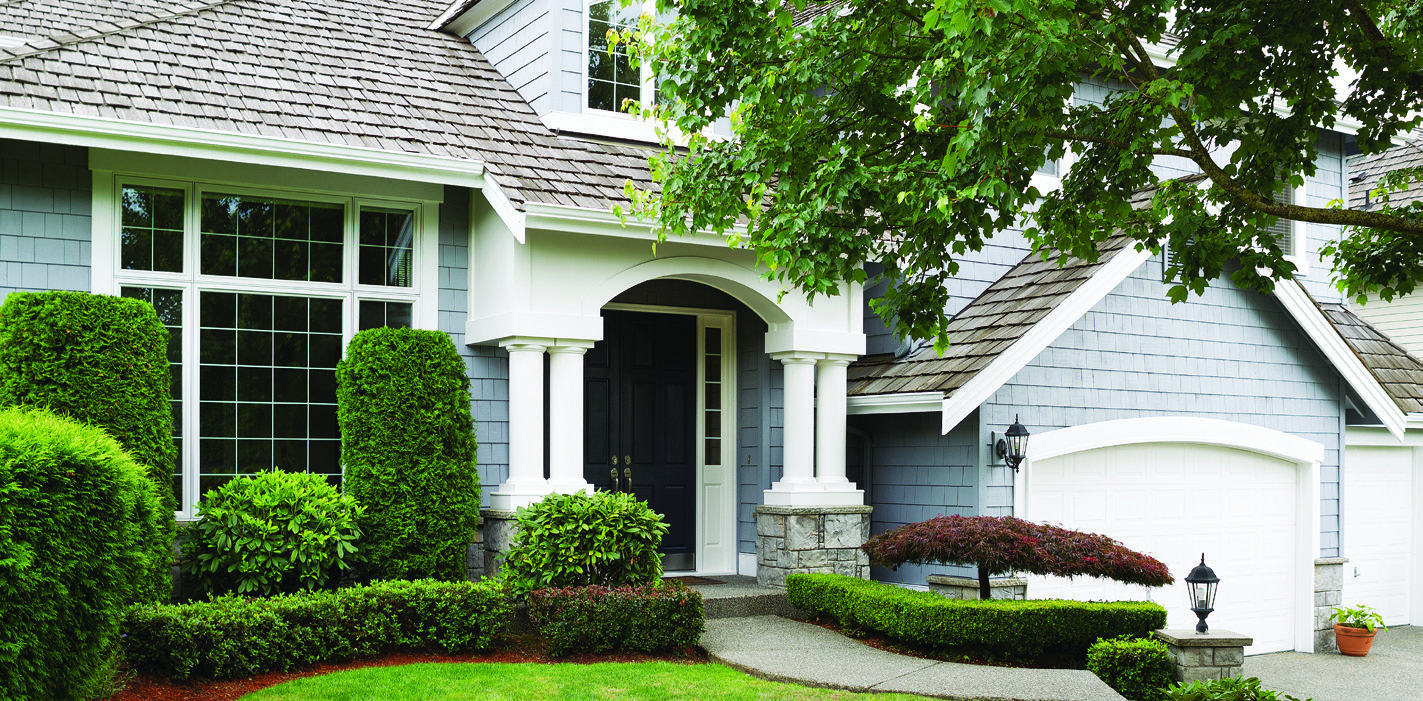
A year after the Los Angeles wildfires, many policyholders face a disturbing problem: their insurance policies aren’t paying enough to cover costs of rebuilding.
It’s a tragic predicament, one that will likely repeat when the next disaster hits. Since the 1990s, American homes have been systematically underinsured in situations where various calamities render them a total loss.
Study after study shows that, counter to the public’s general understanding, many home insurance policies are not required to cover total replacement of homes. This decades-old trend has frequently been hidden from general knowledge, but catastrophic events that cause massive, widespread destruction, especially wildfires, are revealing just how severe the problem has become.

Some would say global warming is to blame for many of these natural catastrophes. This, combined with an increase in construction in areas with lots of flammable vegetation (such as dead, uncleared trees and brush) has led to a rise in damaging fires in the United States. In 2023, researchers at the University of Colorado Boulder found that wildfires in western states destroyed 243% more buildings in the decade between 2010 and 2020 than in the previous decade. The fires in Los Angeles alone claimed more than 15,000 structures.
Researchers analyzed data from the Marshall Fire in Colorado, which consumed more than 1,000 homes in suburban Boulder County on Dec. 30, 2021, and found 74% of affected homeowners were underinsured. Industry sources suggest nearly two-thirds of American homeowners are underinsured for a total loss claim, typically by about 20%, and in some cases by as much as 60%, saying there is a “structural challenge in aligning dwelling coverage with actual replacement costs, particularly when reconstruction costs including cost of building materials and labor shortages spike after a catastrophic event.”
This wouldn’t have been a problem before the 1990s, because until then, most U.S. home insurance policies included a guaranteed replacement clause, which is just what it sounds like: a promise to replace your home, no matter the cost. But as American houses grew in size and value, the guarantee lost ground to a clause known as “replacement-cost-value coverage,” which sets an upper limit on how much the insurance company will pay out in these situations.
Rising construction costs and natural disasters made the guarantee unsustainable, resulting in many companies capping payouts to 125% of coverage A, which helps insurers remain solvent and keep their home insurance rates manageable.
Most major insurers use third-party estimator tools to determine a home’s replacement value limit. One of the most-used tools is called 360Value, which the insurance analytics firm Verisk Analytics Inc. introduced in 2007.
Homeowners sometimes sue insurers for allegedly misrepresenting the extent of a given policy’s coverage. But according to Amy Bach, Executive
Director of United Policyholders, courts often decide that determining what level of coverage is needed is the obligation of the homeowner, not the insurer.
A disaster-recovery reform bill recently introduced in the California State Senate would require insurance companies to at least offer guaranteed replacement cost policies, and let consumers decide if they want to pay for that in the form of higher premiums.
Colorado Insurance Commissioner Michael Conway said his state considered a similar measure but decided “it would destroy our market.” Most big insurers don’t even write guaranteed replacement cost policies anymore, he said, and aren’t interested in doing so, at least for Colorado customers. He also thinks it wouldn’t solve the problem, given the insurance affordability crisis. “If people can’t afford the products on the market now, forcing them to buy more expensive products isn’t going to help,” he said.
Driven by a combination of inflation, increased development, and weather disasters like wildfires, wind and hail, home insurance prices have been soaring across the United States. Conway says he receives steady complaints from homeowners telling him they either have to cut back on what they choose to cover or agree to a higher deductible to afford insurance. Getting a policy with more coverage—the full amount needed to rebuild—would only add to their costs.
Based on the current 2026 construction market, a simple rule-of-thumb calculation for an average home’s replacement value should be in the $300-per-square-foot range if you want replacement value coverage in your insurance policy. Using that figure as an example, insuring a 2,000-square-foot home would put your Coverage A-Dwelling Amount at $600,000.00.
Another option that some homeowners may want to explore, which is offered by some insurance companies, is a “walk-away” provision which pays out your Coverage A amount in case you are not interested in rebuilding your home.
Please check out my blog section on my website at www.rfeest.com for more riveting content, tips, and great insurance information!


Robert Feest
Robert J. Feest Insurance Agency
262-641-0644
www.RFeest.com

This article is from the
EY October 2026 Issue